Winter Starts This Saturday (Officially): 6 Japanese Words for November
Japan’s old calendar says winter begins on November 7. From 立冬 to 七五三 to the first hot pot of the season, here are the words that define the month — and when you’ll hear them.
 🏙 Life in Japan立冬
There’s a specific moment every November in Japan. You step outside in the morning, the air bites a little, and someone next to you at the crosswalk mutters: 急に寒くなったね — “It suddenly got cold, huh.”
According to Japan’s traditional calendar, that moment has an official date this year. Winter begins this Saturday, November 7.
Here are six words that define November in Japan — from the calendar, the shrines and the dinner table.
1. 立冬 (rittō) — the start of winter
Japan still uses the old system of 二十四節気 (nijūshi sekki), 24 “solar terms” that divide the year based on the sun’s position. 立冬 (rittō) is the one that marks the beginning of winter. In 2026, it falls on Saturday, November 7, at 6:52 p.m. Japan time, when the sun reaches 225 degrees of celestial longitude.
Does it feel like winter? Honestly, not yet in most of Japan — this year the autumn leaves are still running late. But weather forecasters will mention 立冬 on TV, and it’s a signal that the cold is coming.
The kanji are worth learning: 立 (to stand, to begin) appears in all four season starts — 立春, 立夏, 立秋, 立冬.
2. 霜月 (shimotsuki) — the frost month
Before Japan adopted numbered months, each had a poetic name. November is 霜月 (shimotsuki), “frost month.” You’ll see it on traditional calendars, in seasonal sweets shops, and in letters that open with a seasonal greeting.
3. 七五三 (shichi-go-san) — Seven-Five-Three
On or around November 15, families take children aged 3, 5 and 7 to shrines to pray for their health and growth. This year, November 15 is a Sunday, so expect shrines to be busy with kids in tiny kimono and hakama.
Children often get 千歳飴 (chitose ame), long red-and-white candy sticks in a decorated bag. 千歳 means “a thousand years” — a wish for a long life.
November in Japan: tiny kimono at the shrine in the morning, hot pot at home in the evening.
4. 勤労感謝の日 (kinrō kansha no hi) — Labor Thanksgiving Day
November 23 is a national holiday to thank people for their work. In 2026 it falls on a Monday, making a three-day weekend. It has roots in an old harvest festival, which is why it’s connected to giving thanks — but for most people today, it’s simply a welcome day off.
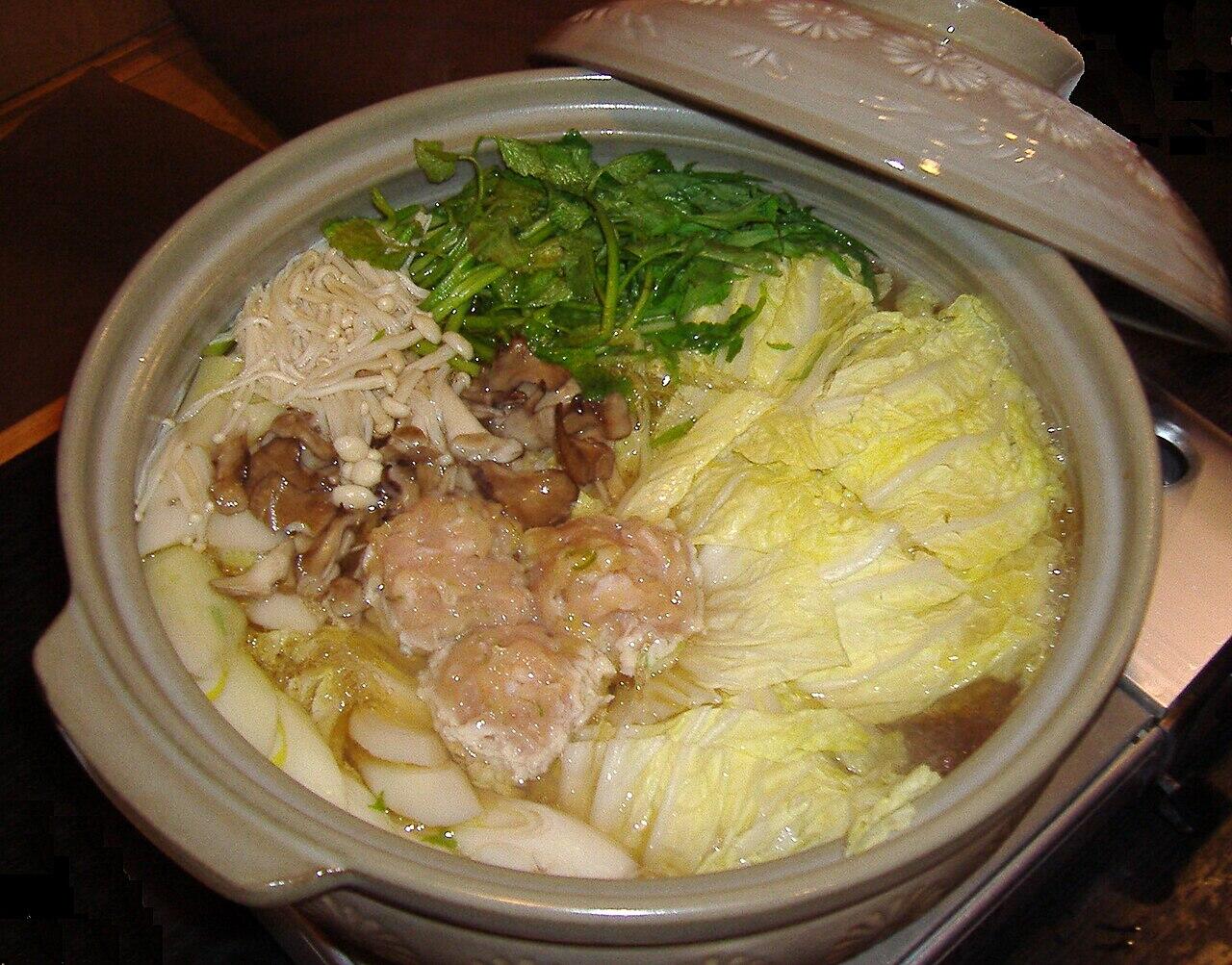
5. 鍋 (nabe) — hot pot season
As soon as it gets cold, 鍋 (nabe) takes over Japanese dinner tables. Everyone sits around one pot of simmering broth with vegetables, tofu and meat or fish. Supermarkets fill up with ready-made nabe soup packs in dozens of flavors.
On Japanese social media you’ll see posts captioned 今年初の鍋! — “First nabe of the year!” It’s a small seasonal milestone, a bit like the first pumpkin spice latte elsewhere.
6. こたつ (kotatsu) — the trap you’ll never escape
A こたつ (kotatsu) is a low table with a heater underneath and a thick blanket on top. You slide your legs in, and then… you don’t want to leave. こたつから出られない (“I can’t get out of the kotatsu”) is one of the most relatable sentences in the Japanese language.
Your November challenge
Use one of these words this week. Say 急に寒くなったね to a coworker, or post your own 今年初の鍋. And if you want to know what Japan was doing just before winter, read about Culture Day and the new tax-free rules that started this month.
Read it in Japanese 日本語で読んでみよう
- 日本の古いこよみでは、11月7日ごろから冬が始まります。In Japan’s old calendar, winter starts around November 7.
- これを「立冬」と言います。This is called “rittō.”
- 11月15日は七五三で、子どもが着物を着て神社に行きます。November 15 is Shichi-Go-San, when children wear kimono and go to shrines.
- 11月23日は勤労感謝の日で、休みです。November 23 is Labor Thanksgiving Day, a day off.
- 寒くなると、家族や友だちと鍋を食べる人が増えます。When it gets cold, more people eat hot pot with family and friends.
💡 Tip: read the Japanese first, guess the meaning, then tap “Show English” to check.
Key words この記事の単語
How Japanese people say it 使ってみよう
- 急に寒くなったね。Kyū ni samuku natta ne.It suddenly got cold, huh.💡 The #1 small-talk line in November. 〜くなった = became ~.
- 今年初の鍋!Kotoshi hatsu no nabe!First hot pot of the year!💡 今年初の〜 (kotoshi hatsu no ~) = the year’s first ~. Very common on social media.
- もう年末だね。Mō nenmatsu da ne.It’s already the end of the year.💡 People start saying this in November — slightly early, every single year.
Quick quiz ミニクイズ
Q1. 「立冬」は何の始まり?
立 (rise/begin) + 冬 (winter) = the start of winter.
Q2. 七五三 celebrates children of which ages?
Seven-Five-Three: traditionally ages 3, 5 and 7.
Q3. 「こたつから出られない」の気持ちは?
A classic winter complaint (and excuse).
Sources
Keep reading 次に読む
 Pop Cultureホビ垢
What Is a ‘Hobiaka’ (ホビ垢)? Inside Japan’s Cute Hobby-Account Trend
 News, Made Easy貧乏
‘NISA Poverty’: Why Some Young Japanese Are Investing So Much They Can’t Afford to Live
 Slang & Viral Wordsドパガキ