Japan Just Changed Tax-Free Shopping. Here’s What Visitors Need to Know Now
Since November 1, tourists pay full price at the register and get the 10% back at the airport. The new rules, the catch, and the Japanese words you’ll see at the counter.
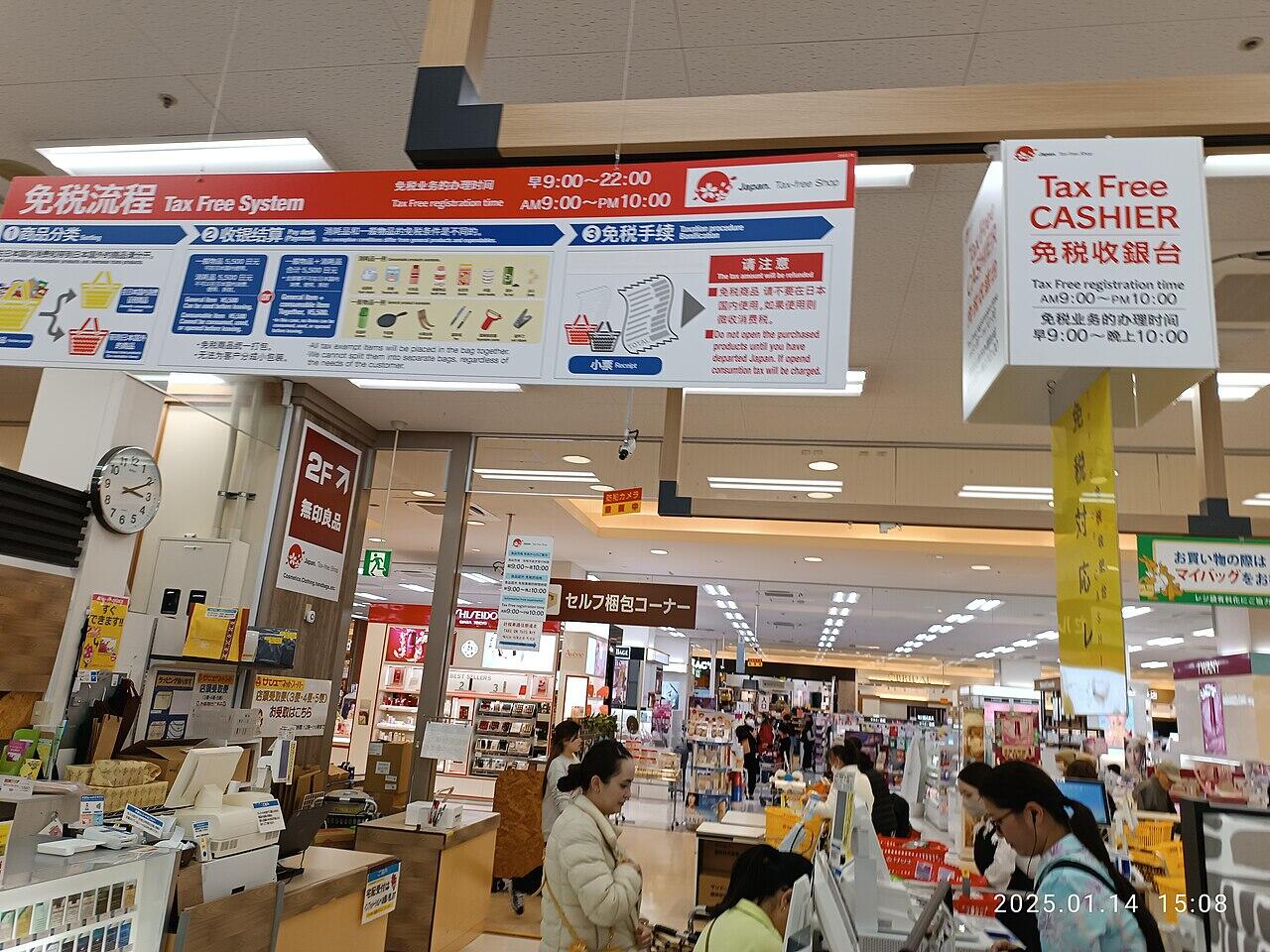 📰 News, Made Easy免税
For years, one of the small joys of a trip to Japan went like this: you’d pick up skincare, snacks or a new camera, hand over your passport at the counter, and pay without the 10% consumption tax. Instant savings, right there at the register.
That era just ended. Since November 1, 2026, Japan’s tax-free shopping for foreign visitors works differently. You can still get the tax back — but not at the register.
What changed: pay first, get it back later
Japan has switched to what officials call a リファンド方式 (rifando hōshiki), a “refund system.” Here’s the new flow, based on the Japan Tourism Agency’s explanation:
- At the shop: You pay the full price, including the 10% consumption tax (消費税, shōhizei).
- When you leave Japan: At the airport or seaport, customs (税関, zeikan) confirms that you are actually taking the goods out of the country.
- After that: The amount equal to the consumption tax is refunded (返金, henkin) to you.
The rules apply to purchases made on or after November 1. Some explainers note that you need to leave Japan and get the export check within 90 days of purchase, so this mostly matters for short-term visitors, not residents.
Why Japan made the switch
The main goal is to stop tax-free goods being illegally resold inside Japan. Under the old system, some people bought large amounts tax-free and sold them on domestically instead of taking them abroad. Because the tax was already removed at the register, it was hard to stop.
With the new system, the refund only happens after customs confirms the goods really left the country. No export, no refund.
The old system trusted you at the register. The new one checks at the gate.
The good news for shoppers
The reform also removes some old headaches:
- No more special sealed packaging for consumables like cosmetics and snacks. (You may remember those clear plastic bags you weren’t supposed to open until you left Japan.)
- The split between “general goods” and “consumables” is gone.
- The old ¥500,000 cap on consumable purchases has been removed.
The catch: fees and timing
Because shops now need to process refunds, some retailers may charge a fee for handling the refund, and each store decides how to handle that. Some large chains have announced they will process refunds without a fee — for example, the PPIH group, which runs Don Quijote stores, said it would not charge a refund fee. Before you buy something expensive, it’s worth asking how the refund works at that shop.
You should also expect a little more time at the airport. Leave room in your schedule for the customs check, especially during busy travel seasons.
Words to know at the counter
Even under the new rules, the conversation at the counter sounds familiar:
- 免税できますか? (Menzei dekimasu ka?) — “Can I get this tax-free?”
- パスポートをお願いします (Pasupōto o onegai shimasu) — “Your passport, please.”
- 税込 (zeikomi) — tax included (you’ll see this on price tags)
- 税抜 (zeinuki) — before tax
Learn to spot 税込 and 税抜 on price tags and you’ll never be surprised at the register again. For more shopping Japanese, see our konbini guide, and for a very different side of Tokyo life, read about Shibuya’s Halloween rules.
Read it in Japanese 日本語で読んでみよう
- 2026年11月1日から、外国人旅行者の免税のしくみが変わりました。From November 1, 2026, the tax-free system for foreign travelers changed.
- お店では、まず消費税を含めた値段を払います。At the shop, you first pay the price including consumption tax.
- 日本を出るとき、空港などの税関で、品物を持って出ることを確認してもらいます。When you leave Japan, customs at the airport or port confirms that you are taking the goods out.
- そのあとで、消費税の分のお金が返ってきます。After that, the money for the consumption tax is returned to you.
- 日本で品物を不正に売ることを防ぐのが目的です。The purpose is to prevent goods from being illegally resold in Japan.
💡 Tip: read the Japanese first, guess the meaning, then tap “Show English” to check.
Key words この記事の単語
How Japanese people say it 使ってみよう
- 免税できますか?Menzei dekimasu ka?Can I get this tax-free?💡 Still the right question to ask — the shop just processes it differently now.
- パスポートをお願いします。Pasupōto o onegai shimasu.Your passport, please.💡 You’ll hear this at every tax-free counter. Keep your passport handy when shopping.
- 返金はいつになりますか?Henkin wa itsu ni narimasu ka?When will I get the refund?💡 〜になりますか is a polite way to ask about timing or outcome.
Quick quiz ミニクイズ
Q1. Under the new system, when do you get the tax back?
You pay the full price first. The refund comes after export is confirmed when you leave Japan.
Q2. 「返金」の意味は?
返 (return) + 金 (money) = refund.
Q3. 「税関」はどこにある?
税関 (zeikan) is customs — you pass it at airports and seaports.
Sources
Keep reading 次に読む
 Pop Cultureホビ垢
What Is a ‘Hobiaka’ (ホビ垢)? Inside Japan’s Cute Hobby-Account Trend
 News, Made Easy貧乏
‘NISA Poverty’: Why Some Young Japanese Are Investing So Much They Can’t Afford to Live
 Slang & Viral Wordsドパガキ