‘Goodbye Bad Halloween’: Why Shibuya Keeps Asking People Not to Come
Halloween fell on a Saturday this year, and Tokyo’s most famous party district braced for crowds. Here’s the story behind Shibuya’s street-drinking ban — and the Japanese on the signs.
 📰 News, Made Easy渋谷
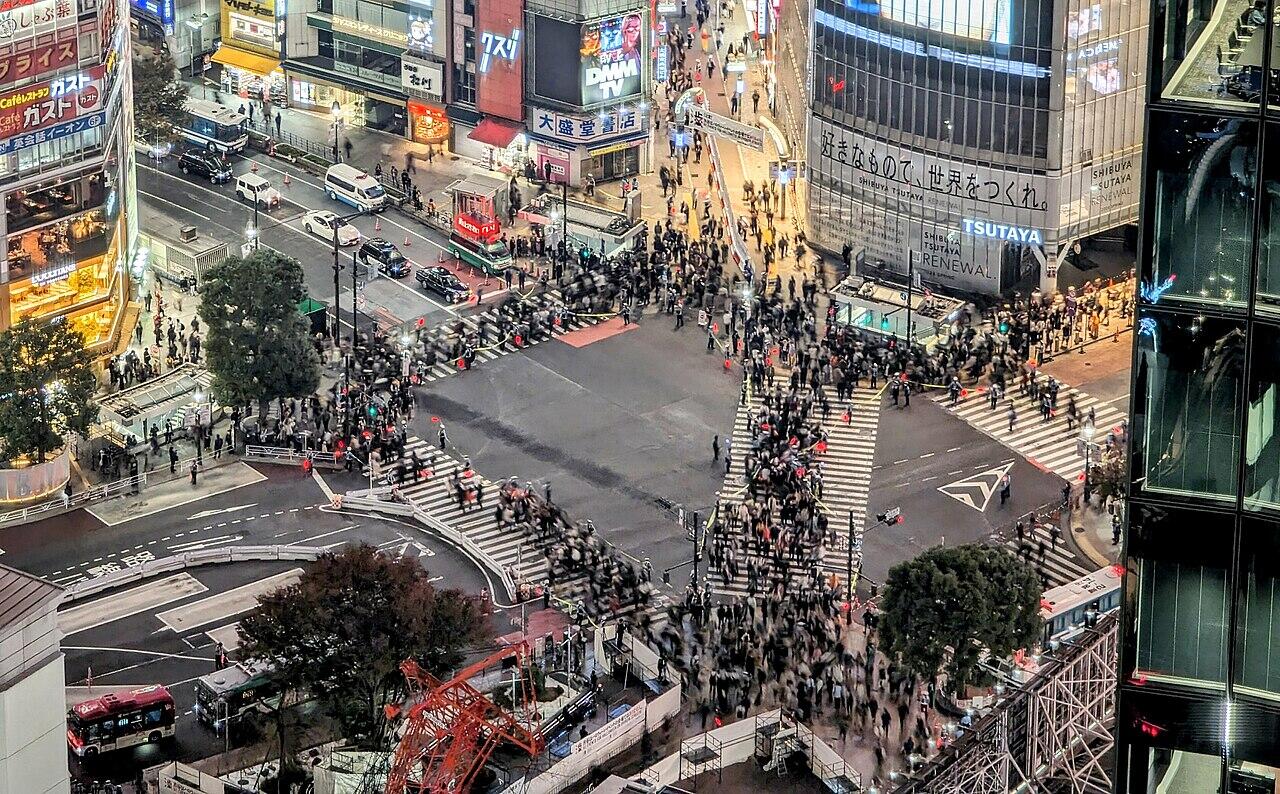
For a few years in the late 2010s, Shibuya on Halloween night was one of the most famous street parties in Asia. Tens of thousands of people in costumes packed the area around the scramble crossing. Videos went viral worldwide.
Then the mood changed. Today, if you search Shibuya Halloween in Japanese, the top results aren’t party guides. They’re rules.
This year, with October 31 falling on a Saturday, Tokyo wards with big nightlife districts were on high alert. Shibuya Ward’s mayor, Ken Hasebe, held up a poster with a message that was hard to misread: “GOODBYE BAD HALLOWEEN.”
What happened to Shibuya Halloween?
Halloween in Shibuya was never an official event. Nobody organized it — people just came. And when tens of thousands of people come with no organizer, problems follow: overcrowding, trash left everywhere, drunk fights, and in 2018, a small truck being flipped over by a crowd.
For residents and shop owners, Halloween became something to survive rather than enjoy. The ward’s response was to make the area less attractive for one specific kind of party: drinking on the street.
The rules, explained simply
- 2019: Shibuya Ward passed an ordinance (条例, jōrei) banning 路上飲酒 (rojō inshu), drinking on the street, around the station during Halloween and New Year’s Eve.
- 2024: The rule was expanded. Around Shibuya Station, street drinking is now banned every night, all year round, from 6 p.m. to 5 a.m.
- June 2026: A ¥2,000 fine (過料, karyō) for ポイ捨て (poisute, littering) came into force, and the ward said it would strengthen its patrol teams.
Note the word ポイ捨て. ポイ is the sound of casually tossing something away, and 捨て comes from 捨てる (suteru, to throw away). Japanese loves building words out of sounds like this — and it makes them easy to remember.
In Shibuya, the most important Halloween costume might be a trash bag you take home with you.
Is it working?
Crowds have shrunk a lot. According to the ward, the peak number of people lingering around Center Gai on Halloween night was about 20,000 in 2024. In 2025 it dropped to about 4,500 — helped by rain. Official numbers for this year had not been released when we published this story.
Not everyone is happy about it. Some people miss the creative, chaotic energy, and online you’ll find posts asking where Halloween “went.” Many partygoers have moved to organized events, theme parks, or smaller neighborhoods instead.
What this says about Japan
The Shibuya story is really a story about public space in Japan. Streets are shared, clean and quiet, and there are very few public trash cans — you’re expected to carry your garbage home. When a party breaks those unspoken rules, the reaction is strong.
If you’re visiting Japan, the takeaway is simple: you can absolutely enjoy Halloween in Tokyo. Wear the costume, take the photos. Just check local signs (look for the kanji 禁止, kinshi, “prohibited”), don’t drink on the street where it’s banned, and keep your trash with you.
Signs you might see in Shibuya
- 路上飲酒禁止 — No drinking on the street
- ポイ捨て禁止 — No littering
- 立ち止まらないでください (Tachidomaranaide kudasai) — Please don’t stop (keep moving)
- 混雑しています (Konzatsu shite imasu) — It’s crowded
Learn these four and you’ll understand more of Shibuya than most visitors. For more seasonal Japanese, see our guide to Culture Day — the holiday that comes just three days after Halloween.
Read it in Japanese 日本語で読んでみよう
- 今年のハロウィンは土曜日だったので、渋谷は混雑が心配されました。This year’s Halloween was on a Saturday, so people worried about crowds in Shibuya.
- 渋谷区の区長は「GOODBYE BAD HALLOWEEN」と書かれたポスターで注意を呼びかけました。The mayor of Shibuya Ward called for caution with a poster that read “GOODBYE BAD HALLOWEEN.”
- 渋谷駅の周りでは、夜に路上でお酒を飲むことが禁止されています。Around Shibuya Station, drinking alcohol on the street at night is banned.
- 今年の6月からは、ポイ捨てをすると2000円の過料になりました。Since June this year, littering comes with a ¥2,000 fine.
- ハロウィンを楽しむなら、ルールを守って、ゴミは持ち帰りましょう。If you enjoy Halloween, follow the rules and take your trash home.
💡 Tip: read the Japanese first, guess the meaning, then tap “Show English” to check.
Key words この記事の単語
How Japanese people say it 使ってみよう
- ここって飲んでもいいの?Koko tte nonde mo ii no?Is it OK to drink here?💡 〜てもいい = “is it okay to ~?” One of the most useful patterns for travelers.
- 人が多すぎて歩けない。Hito ga ōsugite arukenai.There are too many people — I can’t even walk.💡 Same 〜すぎて pattern as in our 滅 slang story.
- ゴミは持ち帰ってください。Gomi wa mochikaette kudasai.Please take your trash home with you.💡 You’ll see this on signs everywhere in Japan — public trash cans are rare.
Quick quiz ミニクイズ
Q1. 「路上飲酒」の意味は?
路上 (rojō) = on the street, 飲酒 (inshu) = drinking alcohol.
Q2. 「ポイ捨て」をすると渋谷では…?
Since June 2026, Shibuya Ward fines littering ¥2,000.
Q3. Which word means “crowded / congestion”?
混雑 (konzatsu). You’ll hear 混雑しています in station announcements.
Sources
Keep reading 次に読む
 Pop Cultureホビ垢
What Is a ‘Hobiaka’ (ホビ垢)? Inside Japan’s Cute Hobby-Account Trend
 News, Made Easy貧乏
‘NISA Poverty’: Why Some Young Japanese Are Investing So Much They Can’t Afford to Live
 Slang & Viral Wordsドパガキ