It’s Culture Day: Why Japan Takes November 3 Off (and Why It Almost Never Rains)
Free museums, imperial medals and a weather legend. Today’s national holiday has a surprisingly dramatic backstory — here’s what Culture Day is really about.
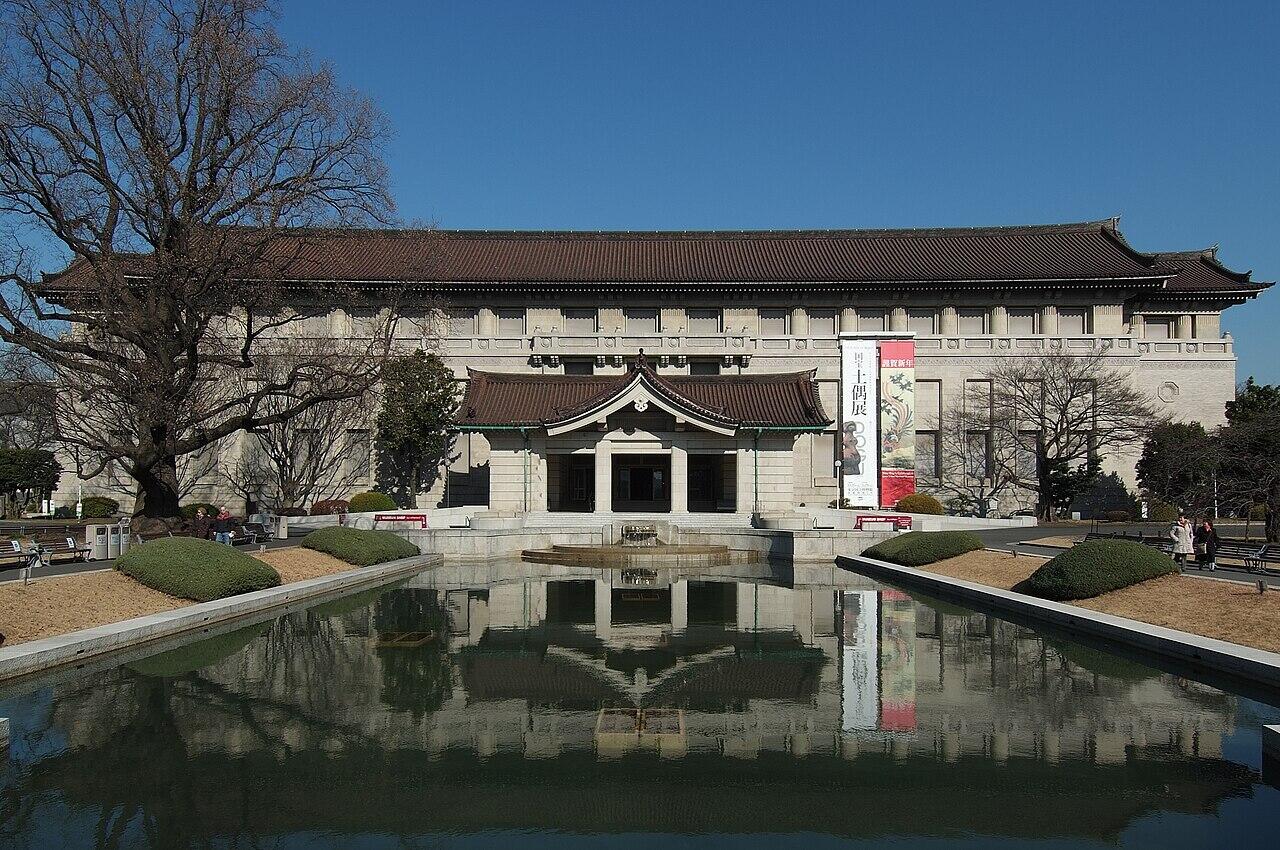 🏙 Life in Japan文化の日
If you’re in Japan today, you might notice something: offices are quiet, museums are busy, and the sky is — very possibly — perfectly blue. November 3 is 文化の日 (Bunka no Hi), or Culture Day, one of Japan’s sixteen national holidays.
This year it falls on a Tuesday, which created a classic Japanese holiday puzzle. Take Monday off, and you get a four-day weekend from Saturday to Tuesday. Japanese social media spent last week asking exactly one question: 休み取れた? (Yasumi toreta? — “Did you manage to get the day off?”)
But why does Japan celebrate “culture” on this specific day? The answer goes back further than you might think.
A birthday, then a constitution
Before it was Culture Day, November 3 was a birthday. It was the birthday of Emperor Meiji, the ruler under whom Japan transformed from a feudal society into a modern state in the late 1800s. During his reign the day was celebrated as the emperor’s birthday, and later, from 1927, as 明治節 (Meiji-setsu), a holiday honoring his era.
Then history turned a sharp corner. After World War II, Japan’s new 憲法 (kenpō, constitution) was promulgated — officially announced — on November 3, 1946. It took effect six months later on May 3, 1947, which is why May 3 is Constitution Memorial Day during Golden Week.
In 1948, November 3 was reborn as Culture Day. According to Japan’s holiday law, its purpose is to “love freedom and peace, and promote culture.” A day once tied to an emperor became a day for art, learning and peace. That’s quite a glow-up for a date on the calendar.
November 3 has been an emperor’s birthday, a national memorial, the day a constitution was announced — and now, the day museums are full.
What actually happens on Culture Day
Japan’s highest cultural honor
Every Culture Day, the Order of Culture (文化勲章, Bunka Kunshō) is presented at the Imperial Palace in Tokyo. It’s given to people who have made outstanding contributions to science, art and culture — novelists, physicists, film directors, potters. If you see older scholars in formal clothes on the evening news tonight, that’s why.
Free (or cheaper) museums
Many museums and cultural facilities offer free or discounted admission on Culture Day. If you’re in Japan, check your local museum’s website — it’s one of the best days of the year to go, as long as you don’t mind crowds.
Festivals everywhere
Early November is peak season for 文化祭 (bunkasai), school culture festivals, and university festivals. Students run cafés, haunted houses and bands for a weekend. If you’ve watched anime set in a high school, you’ve seen a 文化祭 episode — and yes, real ones are just as chaotic.
The weather legend
Here’s the part Japanese people love to mention: November 3 is famous as a 晴れの特異日 (hare no tokuibi), a “singular day” for clear skies. A 特異日 is a date when a certain kind of weather shows up more often than the dates around it — statistically, not magically.
So is it guaranteed to be sunny? No. But it’s known for it, and many people plan outdoor trips around it. Look up “文化の日 晴れ” on X today and you’ll find plenty of people posting blue-sky photos with a smug ✌️.
How to talk about it in Japanese
Holiday small talk is one of the easiest ways to practice. A few classics:
- 休みの日、何してた? (Yasumi no hi, nani shiteta?) — “What did you do on your day off?”
- 美術館に行ってきた! (Bijutsukan ni itte kita!) — “I went to a museum!”
- ずっと家でゴロゴロしてた。 (Zutto ie de gorogoro shiteta.) — “I lazed around at home the whole time.”
That last one — ゴロゴロ (gorogoro) — is an onomatopoeia for rolling around doing nothing. It might be the most honest answer to “how was your holiday?” in any language.
Whatever you do today: happy Culture Day. 良い文化の日を! (Yoi Bunka no Hi o!)
Read it in Japanese 日本語で読んでみよう
- 11月3日は「文化の日」で、日本の祝日です。November 3 is “Culture Day,” a national holiday in Japan.
- 1946年のこの日に、日本の新しい憲法が公布されました。On this day in 1946, Japan’s new constitution was promulgated.
- 今は、自由と平和を愛し、文化をすすめる日です。Today, it is a day to love freedom and peace, and to promote culture.
- この日は、無料で入れる美術館や博物館もあります。On this day, some art museums and museums can be entered for free.
- また、11月3日は晴れる日が多いことで有名です。Also, November 3 is famous for often being sunny.
- あなたは休みの日、何をしますか?What do you do on your days off?
💡 Tip: read the Japanese first, guess the meaning, then tap “Show English” to check.
Key words この記事の単語
How Japanese people say it 使ってみよう
- 三連休、何する?San-renkyū, nani suru?What are you doing over the three-day weekend?💡 連休 (renkyū) = consecutive days off. You’ll hear 三連休, 四連休 and the legendary ゴールデンウィーク.
- 今日は美術館が無料なんだって。Kyō wa bijutsukan ga muryō nan datte.I heard the museums are free today.💡 〜なんだって = “I heard that…” A friendly way to pass on information.
- 〇〇の秋だね。___ no aki da ne.It’s the season for ___.💡 Fill in 食欲 (appetite), 読書 (reading), スポーツ or 芸術. Everyone has their own autumn.
Quick quiz ミニクイズ
Q1. 文化の日は何月何日?
November 3. May 3 is Constitution Memorial Day — the day the constitution took effect.
Q2. 「祝日」の意味は?
祝 = celebrate, 日 = day. 祝日 is an official national holiday.
Q3. Which is NOT a common ‘○○の秋’?
水泳 (swimming) is a summer thing! The classics are appetite, reading, sports and art.
Sources
Keep reading 次に読む
 Pop Cultureホビ垢
What Is a ‘Hobiaka’ (ホビ垢)? Inside Japan’s Cute Hobby-Account Trend
 News, Made Easy貧乏
‘NISA Poverty’: Why Some Young Japanese Are Investing So Much They Can’t Afford to Live
 Slang & Viral Wordsドパガキ