Sweet Potato Season Is Ending. Here’s How to Read a Konbini Like a Local
Japan’s convenience stores change their shelves with the seasons — and the labels tell you everything. Learn the five words that turn a konbini run into a treasure hunt.
 🍙 Food & Konbini期間限定
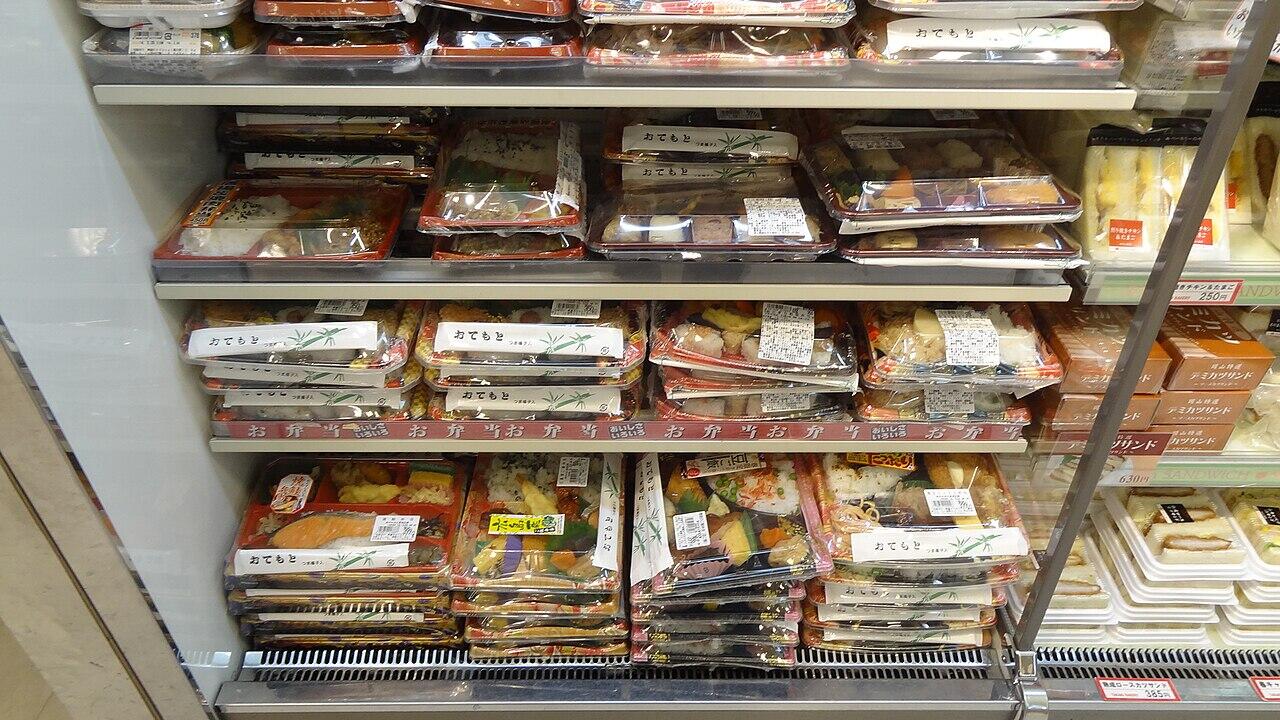
There’s a quiet panic that happens in Japan every November. You walk into your neighborhood konbini, head to the dessert shelf, and the sweet potato cream puff you loved is… gone. In its place: something chocolatey with the word 冬 (fuyu, winter) on it.
Welcome to the seasonal turnover. Japanese convenience stores — 7-Eleven, FamilyMart, Lawson and the rest — rotate products with the seasons, and autumn 2026 was all about さつまいも (satsumaimo, Japanese sweet potato) and 栗 (kuri, chestnut). Now, as the weather gets colder, those flavors are being swapped out for winter.
The good news: you don’t need fluent Japanese to hunt down the good stuff. You just need to read the labels. Here are the five words that matter most.
1. 期間限定 — “Limited time only”
This is the most powerful phrase in Japanese retail. 期間限定 (kikan gentei) means a product will only be around for a set period. You’ll see it on drinks, snacks, desserts, even fried chicken.
A close cousin is 季節限定 (kisetsu gentei, seasonal only), or even more specific: 秋限定 (aki gentei, autumn only) and 冬限定 (fuyu gentei, winter only). If you learn to recognize the kanji 限定 (gentei, limited), you’ll spot these labels from across the store.
2. 新発売 — “New!”
新発売 (shin-hatsubai) literally means “new release.” Konbini drop new items constantly — often on Tuesdays, which is why Japanese food accounts on X post their reviews midweek. Pair it with 期間限定 and you’ve found something both new and temporary: the most exciting combo on any shelf.
3. さつまいも and 栗 — the flavors of autumn
This fall, sweet potato led the lineup at major chains — from cream puffs to lattes — with chestnut close behind. In Japan, these flavors carry a strong sense of season. A sweet potato dessert in October feels exactly right. The same dessert in April would feel strange.
There’s a word for this feeling: 旬 (shun), the time when a food is at its best. Eating something in its 旬 is a small but real joy in Japanese life.
Japanese seasons aren’t only on the calendar. They’re on the dessert shelf.
4. 売り切れ — “Sold out”
Popular limited items can disappear within a few weeks — sometimes days, if they go viral. When you see 売り切れ (urikire) or 完売 (kanbai, “completely sold”) on a sign, you’re too late.
This is also why people on Japanese social media post photos of hard-to-find items with captions like やっと買えた! (Yatto kaeta! — “Finally got one!”). Seasonal snacks are a little bit of a sport.
5. Your first konbini conversation
Reading labels is half the battle. The other half is the register, where the staff will almost certainly say one of these:
- 温めますか? (Atatamemasu ka?) — “Shall I heat it up?” (for bento, onigiri, some pastries)
- 袋はご利用ですか? (Fukuro wa go-riyō desu ka?) — “Do you need a bag?”
- ポイントカードはお持ちですか? (Pointo kādo wa omochi desu ka?) — “Do you have a points card?”
One magic answer works for almost all of them if you want to say no: 大丈夫です (daijōbu desu, “I’m fine, thanks”). It’s polite, it’s natural, and it’ll get you out the door with your sweet potato latte.
What’s next: winter mode
As November goes on, expect the shelves to shift to warmer, richer things: hot soups, おでん (oden, simmered winter stew) at the counter, and chocolate everything. We’ll be tracking the best winter launches — and the Japanese on their labels — in the weeks ahead.
Until then: if you see anything さつまいも and 期間限定 still on the shelf, this is your sign. 買っちゃおう。(Kacchaō. — “Let’s just buy it.”)
Read it in Japanese 日本語で読んでみよう
- 日本のコンビニには、季節ごとに新しい商品が出ます。Japanese convenience stores release new products every season.
- 秋は、さつまいもや栗のお菓子が人気です。In autumn, sweet potato and chestnut sweets are popular.
- 「期間限定」と書いてある商品は、少しのあいだしか買えません。Products labeled “limited time only” can only be bought for a short while.
- 人気の商品は、すぐに「売り切れ」になります。Popular products quickly become “sold out.”
- レジでは「温めますか?」とよく聞かれます。At the register, you are often asked, “Shall I heat it up?”
- いらないときは「大丈夫です」と言いましょう。When you don’t need it, say “daijōbu desu.”
💡 Tip: read the Japanese first, guess the meaning, then tap “Show English” to check.
Key words この記事の単語
How Japanese people say it 使ってみよう
- これ、温めますか?Kore, atatamemasu ka?Would you like this heated up?💡 The #1 phrase you’ll hear at a konbini register. Answer はい、お願いします (yes, please) or 大丈夫です (no thanks).
- 袋はご利用ですか?Fukuro wa go-riyō desu ka?Do you need a bag?💡 Bags cost a few yen in Japan. 大丈夫です means “I’m fine (no bag).”
- 秋限定、全部買っちゃった。Aki gentei, zenbu kacchatta.I ended up buying all the autumn-only stuff.💡 〜ちゃった = “ended up doing” (often with a little guilt). Very useful, very relatable.
Quick quiz ミニクイズ
Q1. 「期間限定」の意味は?
期間 = period of time, 限定 = limited. So: available for a limited time.
Q2. You see 売り切れ on a shelf. What happened?
売り (selling) + 切れ (run out) = sold out. Better luck tomorrow!
Q3. 「栗」は英語で?
栗 (kuri) is chestnut. Mont Blanc cakes made with chestnut are an autumn classic.
Sources
Keep reading 次に読む
 Pop Cultureホビ垢
What Is a ‘Hobiaka’ (ホビ垢)? Inside Japan’s Cute Hobby-Account Trend
 News, Made Easy貧乏
‘NISA Poverty’: Why Some Young Japanese Are Investing So Much They Can’t Afford to Live
 Slang & Viral Wordsドパガキ