Japan’s Autumn Leaves Are Running Late This Year. Here’s When to Go
A long, hot summer pushed back koyo season across Japan. The latest forecasts, the best spots, and the words every Japanese weather report uses this month.
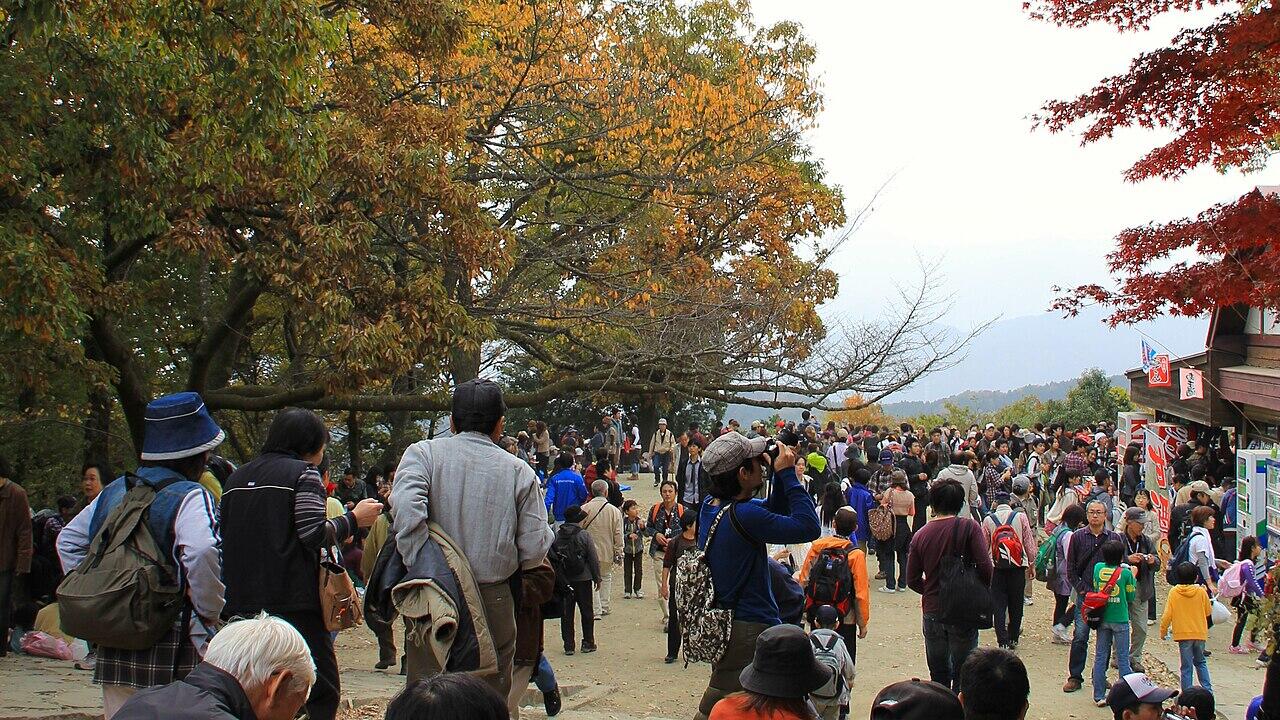 🔥 Trending Now紅葉
In Japan, November means one thing on the news, on Instagram and in every conversation about weekend plans: 紅葉 (kōyō), the autumn leaves.
But if you’ve been waiting for the maples to turn red this year, you may have noticed something. They’re late.
Why the leaves are behind schedule
Leaves change color when temperatures drop — especially when nights get cold. In 2026, Japan’s summer heat lingered well into autumn, so forecasters have been saying the same phrase all season: 平年より遅め (heinen yori osome), “a bit later than an average year.”
The good news, according to Weathernews’ third forecast of the season (released October 30), is that sunshine returned in October, so the colors are recovering nicely. Late doesn’t mean disappointing.
When to go: the latest forecasts
Forecasts change with the weather, so treat these as a guide:
- Mt. Takao (Tokyo): around November 13
- Miyajima (Hiroshima): around November 21
- Arashiyama (Kyoto) and Korankei (Aichi): around November 23
- Central Tokyo: the Japan Weather Association’s earlier forecast puts maples at their best around November 29, with ginkgo trees (銀杏, ichō) turning gold around November 26
If you’re in Tokyo, that means two chances: a mountain trip to Takao in mid-November, then city leaves — like the famous ginkgo avenues — at the end of the month.
In spring Japan chases cherry blossoms. In autumn, it chases maples.
The word you’ll hear everywhere: 見頃
If you learn one word this month, make it 見頃 (migoro). It means “the best time to see something,” and it’s all over weather reports, travel sites and train station posters.
You’ll also see these on forecast maps:
- 色づき始め (irozuki hajime) — starting to change color
- 見頃 (migoro) — at its peak
- 見頃過ぎ (migoro sugi) — past its peak
- 落葉 (rakuyō) — leaves have fallen
Weather maps in Japan often use these four stages with colors, a bit like a progress bar for autumn.
One kanji, two readings
Here’s a fun trap for learners: 紅葉 can be read two ways.
- こうよう (kōyō) — autumn leaves in general, the seasonal phenomenon
- もみじ (momiji) — maple trees and their red leaves specifically
In casual conversation, people use both, and context tells you which one. This happens a lot in Japanese: one kanji word, a formal reading and a native reading.
How to plan like a local
- Check the forecast the week you go — they update regularly.
- Go early in the morning. Popular spots like Arashiyama get extremely crowded (混雑, konzatsu) by midday.
- Look for ライトアップ (raito appu, “light-up”) events — many temples illuminate their leaves at night.
Whether you go to a mountain, a temple or just the park down the street, autumn in Japan is short. When someone says 今が見頃だよ (“it’s at its best right now”), don’t wait.
Looking for something to eat on the way? Our konbini guide has the seasonal snack words you need.
Read it in Japanese 日本語で読んでみよう
- 今年は夏がとても暑かったので、紅葉が遅くなっています。Because summer was very hot this year, the autumn leaves are late.
- 東京の高尾山は、11月13日ごろが見頃だと予想されています。Mt. Takao in Tokyo is forecast to be at its best around November 13.
- 京都の嵐山は、11月23日ごろが見頃です。Arashiyama in Kyoto will be at its best around November 23.
- 東京の町の中では、11月の終わりごろにきれいになりそうです。In central Tokyo, the leaves will likely look beautiful around the end of November.
- 出かける前に、新しい予想を見てくださいね。Please check the latest forecast before you go out.
💡 Tip: read the Japanese first, guess the meaning, then tap “Show English” to check.
Key words この記事の単語
How Japanese people say it 使ってみよう
- 紅葉、もう見頃かな?Kōyō, mō migoro kana?I wonder if the leaves are at their peak yet?💡 〜かな = “I wonder…” Soft and natural when thinking out loud.
- 色づいてきたね。Irozuite kita ne.The leaves are starting to change color.💡 色づく (irozuku) = to take on color. A lovely seasonal verb.
- 紅葉狩りに行かない?Momijigari ni ikanai?Want to go leaf-peeping?💡 紅葉狩り literally means “maple hunting.” Nobody actually hunts anything.
Quick quiz ミニクイズ
Q1. 「見頃」の意味は?
見 (see) + 頃 (time) = the best time to see something.
Q2. Why are the leaves late in 2026?
Lingering heat delays the color change. 平年より遅い = later than average.
Q3. 「紅葉狩り」で何をする?
紅葉狩り (momijigari) is going out to admire autumn leaves.
Sources
Keep reading 次に読む
 Pop Cultureホビ垢
What Is a ‘Hobiaka’ (ホビ垢)? Inside Japan’s Cute Hobby-Account Trend
 News, Made Easy貧乏
‘NISA Poverty’: Why Some Young Japanese Are Investing So Much They Can’t Afford to Live
 Slang & Viral Wordsドパガキ