Japan Is Going to a Moon of Mars — and Bringing a Piece of It Home
JAXA’s MMX probe is on its way to Phobos, aiming for the first-ever sample return from the Mars system. What the mission is, why it matters, and the space Japanese you’ll hear in the news.
 🔥 Trending Now火星
Look up at Mars on a clear night and you’ll see a small red dot. Circling it, far too small to see, are two tiny moons. One of them, Phobos, is about to get a visitor from Japan.
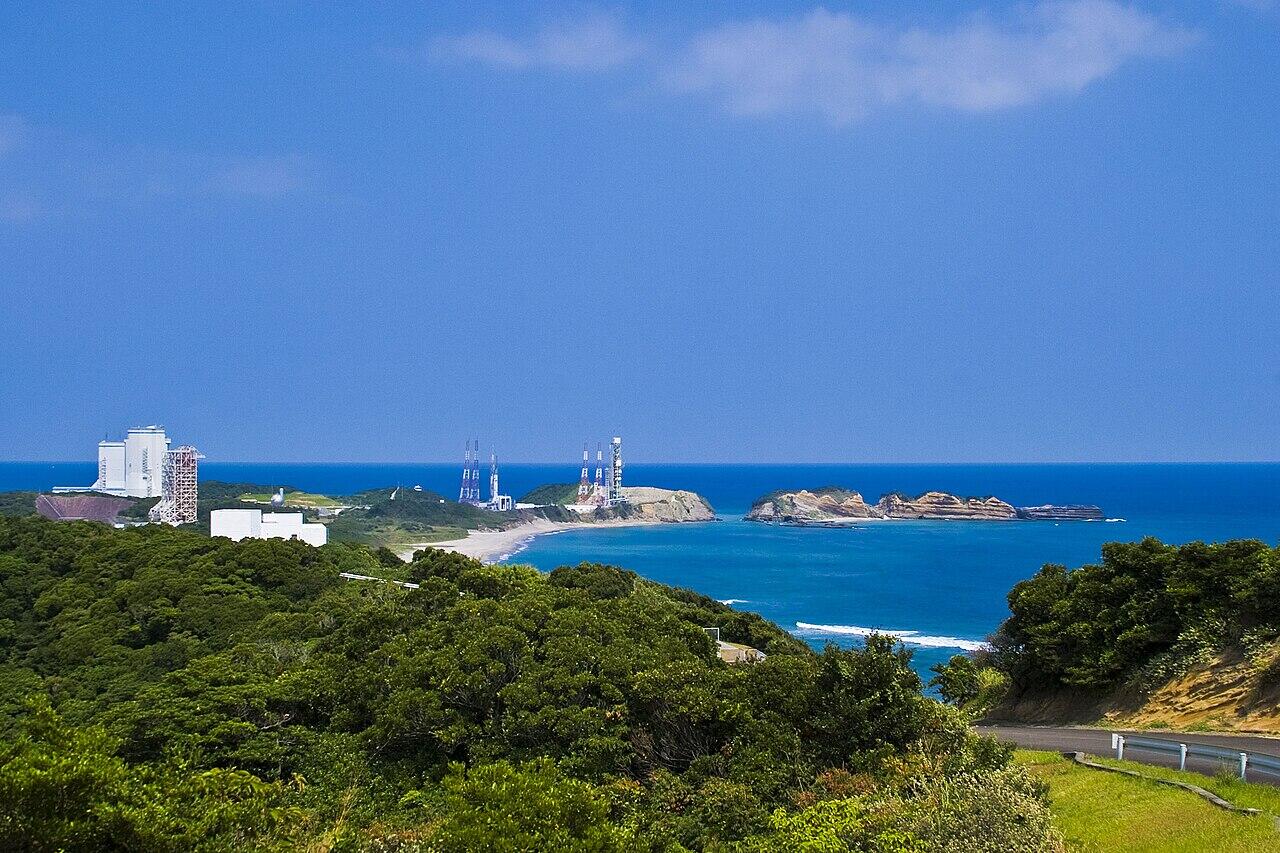
On October 20, 2026, Japan’s space agency JAXA launched MMX (Martian Moons eXploration) on an H3 rocket from the Tanegashima Space Center in southern Japan. The probe is now on its way to Mars — and if all goes to plan, it will scoop up material from Phobos and bring it back to Earth.
The mission in four steps
- Launch (done): The H3 rocket lifted off on schedule, and about 71 minutes later released MMX onto a path toward Mars. It was the first time an H3 rocket sent a probe toward Mars.
- Travel: The journey to orbit around Mars takes roughly a year.
- Collect: MMX will study Phobos and collect samples, like sand and small rocks, from its surface.
- Return: The samples are scheduled to arrive back on Earth in July 2031.
The day after launch, JAXA reported that the probe’s basic functions — generating power, controlling its orientation and communicating with the ground — were all working normally.
Why a moon of Mars?
If MMX succeeds, it will be the first mission ever to bring samples back from the Mars system. Scientists hope Phobos can help answer a big question: where did Mars’ moons come from? Were they asteroids captured by Mars’ gravity, or pieces blasted off Mars itself in a giant impact? If it’s the second, Phobos might even hold bits of ancient Mars.
Japan has already brought home pieces of two asteroids. Now it’s aiming for a moon of Mars.
A country that loves sample returns
This mission builds on a famous Japanese track record. The Hayabusa probe brought back particles from asteroid Itokawa in 2010 after a dramatic, problem-filled journey. Hayabusa2 returned samples from asteroid Ryugu in 2020. Both became national stories, followed closely by the public.
The H3 rocket has had its own drama. After a failure in December 2025, this launch marked its third straight success — a relief for Japan’s space program.
Space Japanese you’ll hear in the news
- 探査機 (tansaki) — space probe. 探査 = exploration, 機 = machine.
- 打ち上げ (uchiage) — launch. Fun fact: the same word means an after-party when a project or show ends. Context makes it clear.
- 衛星 (eisei) — satellite. It’s used for both artificial satellites and natural moons, so フォボスは火星の衛星 = “Phobos is a moon of Mars.”
- 試料 (shiryō) — sample (in science). Not to be confused with 資料 (shiryō), documents — same sound, different kanji.
- 帰還 (kikan) — return home (formal). You’ll see 地球帰還, “return to Earth.”
Watch for the next headlines
Expect Japanese news to report milestones as MMX travels: course corrections, arrival at Mars, and the sampling. When you see 成功 (seikō, success) in a headline, you’ll know it’s good news.
For more from this week in Japan, read about the country’s new disaster agency, or learn why Japanese people say やばい when something is out of this world.
Read it in Japanese 日本語で読んでみよう
- 2026年10月20日、JAXAの探査機「MMX」が打ち上げられました。On October 20, 2026, JAXA’s probe “MMX” was launched.
- MMXは、火星の衛星「フォボス」に向かっています。MMX is heading to Phobos, a moon of Mars.
- フォボスの砂などを集めて、2031年に地球へ持って帰る予定です。It plans to collect things like sand from Phobos and bring them back to Earth in 2031.
- 成功すれば、火星のまわりから試料を持ち帰るのは世界で初めてです。If it succeeds, it will be the world’s first sample return from around Mars.
- 打ち上げの次の日、探査機は正常に動いていると発表されました。The day after the launch, it was announced that the probe was working normally.
💡 Tip: read the Japanese first, guess the meaning, then tap “Show English” to check.
Key words この記事の単語
How Japanese people say it 使ってみよう
- 打ち上げ成功!Uchiage seikō!Launch success!💡 A headline you’ll see on Japanese news and social media after every good launch.
- 今夜、打ち上げ行く?Kon’ya, uchiage iku?Are you going to the after-party tonight?💡 Same word, totally different meaning: 打ち上げ is also the party after a project or performance.
- 2031年に地球へ帰ってくる予定です。Nisen-sanjūichi-nen ni chikyū e kaette kuru yotei desu.It’s scheduled to come back to Earth in 2031.💡 〜予定です = “is scheduled to.” Essential for news Japanese.
Quick quiz ミニクイズ
Q1. MMXはどこに向かっている?
MMX = Martian Moons eXploration. Its target is Phobos.
Q2. 「打ち上げ」の2つの意味は?
打ち上げ means a rocket launch — and the celebration party after a project or show.
Q3. When is MMX scheduled to return to Earth?
The return is planned for July 2031.
Sources
Keep reading 次に読む
 Pop Cultureホビ垢
What Is a ‘Hobiaka’ (ホビ垢)? Inside Japan’s Cute Hobby-Account Trend
 News, Made Easy貧乏
‘NISA Poverty’: Why Some Young Japanese Are Investing So Much They Can’t Afford to Live
 Slang & Viral Wordsドパガキ