What Does ‘Yabai’ (やばい) Mean? The Japanese Word That Means Both ‘Terrible’ and ‘Amazing’
Your Japanese friend tastes the ramen and says ‘yabai.’ Is it good or bad? Here’s how one word came to mean danger, disaster and delight — and how to tell which one.
 🗣 Slang & Viral Wordsやばい
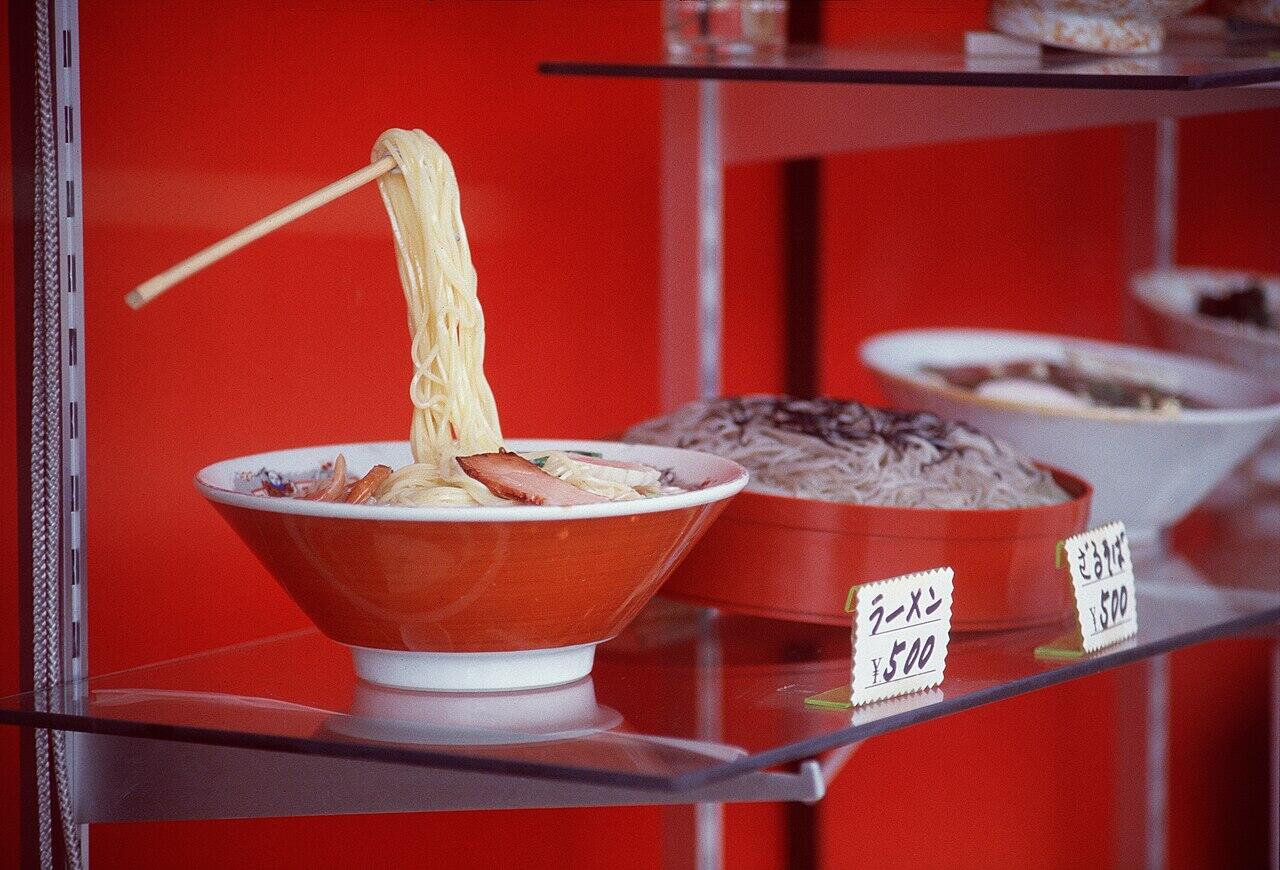
You’re at a ramen shop in Tokyo. Your Japanese friend takes the first sip of soup, closes their eyes, and says one word: やばい.
Ten minutes later, they check their phone, see the time, and say it again — やばい — but this time they’re grabbing their bag and running for the train.
Same word. Opposite meanings. Welcome to one of the most useful, and most confusing, words in casual Japanese.
The original meaning: danger
やばい (yabai) started as a word for danger or trouble. Its origin is often traced to old underworld slang for a risky situation — something that could get you caught. Over time it entered everyday casual speech meaning:
- Dangerous / risky — like 危ない (abunai)
- Bad / not good — “This is a bad situation”
- Uh-oh! — a panic reaction: やばい、遅刻する! (“Oh no, I’m going to be late!”)
That meaning is still very much alive. A standard dictionary like Shogakukan’s Daijisen defines やばい as describing a situation where danger or trouble is expected.
The new meaning: amazing
At some point, young people started using やばい for things that were overwhelmingly good. A delicious meal, a stunning view, an incredible concert — やばい.
Japan’s Agency for Cultural Affairs tracks this kind of change in its annual survey on the Japanese language. In its 2004 survey, according to reports on the results, 75% of people in their late teens and 51% of people in their 20s said they used やばい to mean “really great.” A 2014 survey found the share across all ages using it positively had grown to about 27%, up almost 9 points in ten years.
Why would “dangerous” become “amazing”? One explanation from Japanese linguists: the core feeling of やばい is something beyond your control. A danger you can’t control and a deliciousness you can’t resist share that same overwhelming feeling.
やばい isn’t really “good” or “bad.” It’s “too much to handle.” Context tells you which direction.
How to tell which one it is
- Look at the face. A smile = probably amazing. Wide eyes and panic = probably trouble. (This is why our vocab list includes 表情, hyōjō, facial expression.)
- Look at what they’re reacting to. Food, music, scenery → usually positive. Time, money, mistakes → usually negative.
- Listen to the tone. Positive やばい often comes out slow and emphatic: やっっばい… Negative やばい tends to be quick and sharp.
- When unsure, ask: いい意味で? (Ii imi de? — “In a good way?”). Japanese people say this to each other too.
Grammar: it’s a regular い-adjective
やばい conjugates like any い-adjective:
- やばい — it’s crazy
- やばかった — it was crazy
- やばくない? — isn’t it crazy?
- やばすぎる / やばすぎ — way too crazy
- やばそう — looks crazy
In very casual speech you’ll also hear やべー (yabē) or やば! (yaba!) — rougher, shorter versions, more common among young men.
When NOT to use it
やばい is casual slang. It’s perfect with friends, on social media, and in fan spaces (see 推し活 for more fan vocabulary). But in a job interview, a business meeting or with someone much older, it can sound childish or rude. Use すごい (sugoi) or すばらしい (subarashii) for positive, and 大変 (taihen) for “this is bad.”
For a word with a similar double life, see 〇〇で滅 — a “destruction” word that also became a compliment.
Read it in Japanese 日本語で読んでみよう
- 「やばい」は、もともと「危ない」や「よくない」という意味の言葉です。“Yabai” originally means “dangerous” or “not good.”
- 今は、若い人が「とてもすごい」という意味でもよく使います。Now, young people often use it to mean “really amazing” too.
- おいしい料理を食べたとき、「やばい!」と言う人も多いです。Many people say “yabai!” when they eat delicious food.
- いい意味か悪い意味かは、話している人の表情でわかります。You can tell whether it’s a good or bad meaning from the speaker’s expression.
- 仕事や目上の人との会話では、使わないほうがいいです。It’s better not to use it at work or when talking with superiors.
💡 Tip: read the Japanese first, guess the meaning, then tap “Show English” to check.
Key words この記事の単語
How Japanese people say it 使ってみよう
- やばい、財布忘れた!Yabai, saifu wasureta!Oh no, I forgot my wallet!💡 Negative やばい: trouble, panic, “uh-oh.”
- この景色、やばくない?Kono keshiki, yabaku nai?Isn’t this view incredible?💡 Positive やばい. Note the い-adjective form: やばくない?
- やばすぎ!Yabasugi!That’s way too crazy!💡 Casual shortening of やばすぎる. Works for both good and bad.
Quick quiz ミニクイズ
Q1. 友だちが「このケーキ、やばい!」と笑顔で言った。意味は?
Smiling + food = positive やばい. The cake is incredible.
Q2. 「やばい、遅刻する!」の気持ちは?
Running late = negative やばい: “Oh no!”
Q3. Where should you avoid saying やばい?
It’s casual slang. In formal situations, use すごい, すばらしい or 大変 instead.
Sources
Keep reading 次に読む
 Pop Cultureホビ垢
What Is a ‘Hobiaka’ (ホビ垢)? Inside Japan’s Cute Hobby-Account Trend
 News, Made Easy貧乏
‘NISA Poverty’: Why Some Young Japanese Are Investing So Much They Can’t Afford to Live
 Slang & Viral Wordsドパガキ