Riding a Bike in Japan? The ‘Blue Ticket’ Rules Every Cyclist (and Tourist) Should Know
Since April 2026, cyclists 16 and over can be fined on the spot for using a phone, ignoring a red light or riding with an umbrella. The new rules, the fines, and the Japanese on the signs.
 🏙 Life in Japan青切符
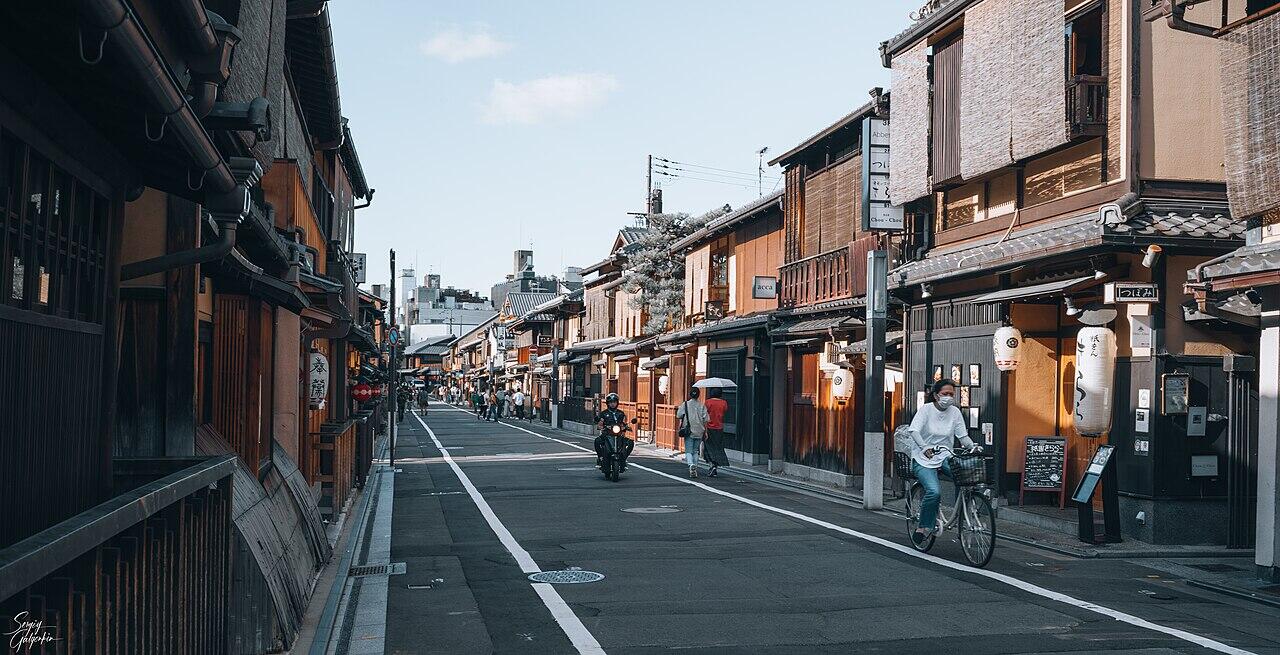
You rent a bike in Kyoto. It’s a perfect autumn afternoon, and you pull out your phone to check the map while pedaling down a quiet street. In 2026 Japan, that small habit can cost you ¥12,000.
Since April 1, 2026, Japan has applied its 青切符 (ao-kippu, “blue ticket”) system to bicycles. It’s one reason the word made this year’s Word of the Year nominee list. If you live in Japan, or plan to cycle on your trip, here’s what you need to know.
What is a “blue ticket”?
In Japan, minor traffic violations by drivers have long been handled with a blue ticket: you pay a 反則金 (hansokukin), a fine, and the matter ends there — no criminal case, no criminal record. Serious violations get a red ticket, which goes through the criminal process.
Under the revised Road Traffic Act, cyclists aged 16 and over can now receive blue tickets too. Before this, police mostly gave warnings, and the rare serious case went straight to criminal proceedings.
What can get you fined?
According to reports based on the National Police Agency’s materials, the system covers 113 types of violations. Some of the most common, with their fines:
| Violation | Japanese | Fine |
|---|---|---|
| Using a phone while riding | ながらスマホ | ¥12,000 |
| Ignoring a traffic light | 信号無視 | ¥6,000 |
| Entering a closed railroad crossing | 遮断踏切立ち入り | ¥7,000 |
| Riding with an umbrella | 傘さし運転 | ¥5,000 |
Other violations include riding two to a bike and riding with earphones in a way that blocks surrounding sounds. Serious offenses — like riding drunk, or causing an accident — are not handled with blue tickets; they go through criminal procedures.
In Japan, a bicycle isn’t a toy or a pedestrian. Legally, it’s a vehicle.
The basic rules to remember
- Ride on the left side of the road. Bicycles are vehicles. Sidewalks are allowed only in certain cases, such as where signs permit it.
- Stop at red lights — and at 止まれ (tomare, “stop”) signs.
- No phone, no umbrella while riding.
- Park properly. Use a 駐輪場 (chūrinjō, bike parking). Bikes left in the wrong place can be removed.
- Helmets are encouraged for all ages.
Why the crackdown now?
Japan has a huge number of bicycles, and accidents involving cyclists — especially ones using phones — have drawn attention for years. The blue ticket system gives police a practical middle option: more than a warning, less than a criminal case. Reactions online were mixed. Some people welcomed safer streets, while others were surprised at how many everyday habits are actually violations.
Signs and words to know
- 自転車 (jitensha) — bicycle
- 止まれ (tomare) — STOP (on red triangular signs)
- 自転車通行可 (jitensha tsūkō ka) — bicycles allowed (often on sidewalk signs)
- 駐輪禁止 (chūrin kinshi) — no bicycle parking
If you’re visiting, renting a bike is still one of the best ways to see Japanese neighborhoods. Just keep the phone in your pocket. For more everyday rules, read about Shibuya’s street-drinking ban, and for this season’s best rides, check when the autumn leaves peak.
Read it in Japanese 日本語で読んでみよう
- 2026年4月から、自転車にも「青切符」が始まりました。From April 2026, “blue tickets” started for bicycles too.
- 16歳以上の人が、ルールを守らないと反則金を払います。People aged 16 and over pay a fine if they don’t follow the rules.
- スマホを見ながら走ると、反則金は1万2000円です。If you ride while looking at your phone, the fine is 12,000 yen.
- 信号無視は6000円、傘をさして走ると5000円です。Running a red light is 6,000 yen, and riding with an umbrella is 5,000 yen.
- 旅行で自転車に乗る人も、ルールを確認しましょう。People who ride bikes while traveling should also check the rules.
💡 Tip: read the Japanese first, guess the meaning, then tap “Show English” to check.
Key words この記事の単語
How Japanese people say it 使ってみよう
- ながらスマホはやめてください。Nagara sumaho wa yamete kudasai.Please don’t use your phone while riding.💡 ながら = “while doing something else.” ながらスマホ = using a phone while doing something.
- 自転車は車道の左側を走ります。Jitensha wa shadō no hidarigawa o hashirimasu.Bicycles ride on the left side of the road.💡 In Japan, bikes are vehicles. The basic rule is the left side of the roadway.
- ここに自転車を停めてもいいですか?Koko ni jitensha o tomete mo ii desu ka?Can I park my bike here?💡 Illegally parked bikes can be removed, so always ask or look for a 駐輪場 (bike parking).
Quick quiz ミニクイズ
Q1. Who can get a bicycle blue ticket?
The system applies to riders aged 16 and over.
Q2. How much is the fine for using a phone while riding?
ながらスマホ carries a ¥12,000 fine.
Q3. 「信号」の意味は?
信号 (shingō) is a traffic light. 信号無視 = ignoring the light.
Sources
Keep reading 次に読む
 Pop Cultureホビ垢
What Is a ‘Hobiaka’ (ホビ垢)? Inside Japan’s Cute Hobby-Account Trend
 News, Made Easy貧乏
‘NISA Poverty’: Why Some Young Japanese Are Investing So Much They Can’t Afford to Live
 Slang & Viral Wordsドパガキ