What Does ‘Emoi’ (エモい) Mean? The Japanese Word for a Feeling English Can’t Quite Name
Film photos, old train stations, a song from your school days. Japanese has one small word for that bittersweet, nostalgic ache — and you can start using it today.
 🗣 Slang & Viral Wordsエモい
You’re scrolling through old photos. There’s one from a summer years ago — slightly blurry, warm colors, friends you don’t see anymore. You feel happy and a little sad at the same time, and you can’t quite explain why.
In Japanese, there’s a word for that: エモい (emoi).
The meaning
エモい describes something that moves you emotionally in a way that’s hard to put into words — usually with a mix of nostalgia, warmth and a gentle ache. It’s not simply “sad” or “happy.” It’s the feeling in between.
The word is generally explained as coming from the English emotional, shortened to エモ and given the い ending that turns words into adjectives (like 高い, 寒い, かわいい). Japanese does this a lot with loanwords — another example is ググる (guguru, “to Google”).
Where it came from
エモい had been floating around music and internet culture for years, but it went mainstream in 2016, when it ranked 2nd in Sanseido’s “New Word of the Year” (今年の新語) — a selection run by one of Japan’s major dictionary publishers. After that, searches for the word jumped, and it spread from young people to advertising, magazines and TV.
Today, about ten years later, it’s no longer just slang. Plenty of people in their 30s and 40s use it naturally.
What counts as エモい?
There’s no official list, but these things are classic エモい in Japan:
- Film camera photos and their grainy colors
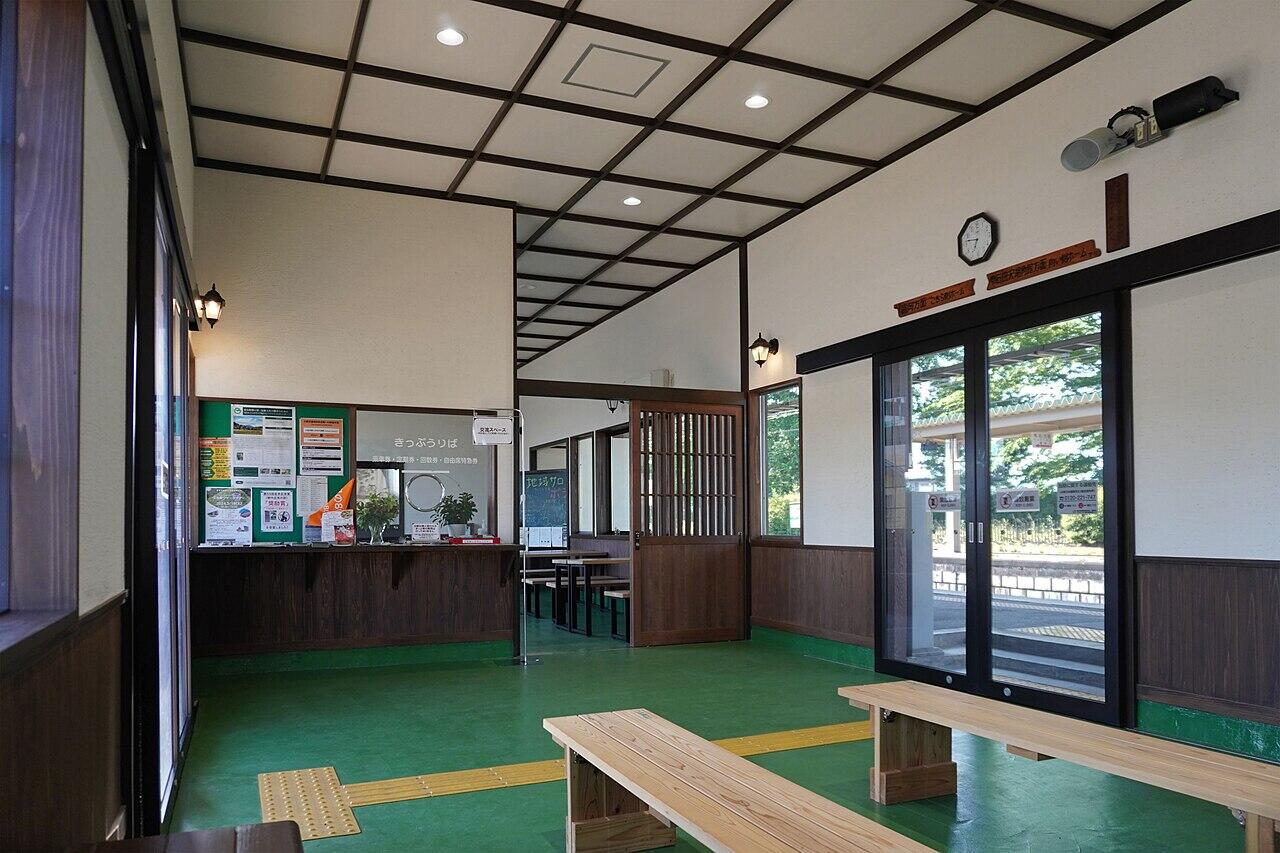
- Old train stations in the countryside, especially at sunset
- Heisei retro (平成レトロ) — flip phones, purikura photo stickers, 2000s fashion
- Songs from your school days
- 夕焼け (yūyake) — sunsets
- Summer festival nights, fireworks ending, the walk home
Notice a theme? Time passing. Moments that are already becoming memories while you’re in them.
エモい is the feeling of a moment turning into a memory right in front of you.
How to use it
Grammatically, エモい is a regular い-adjective, so it conjugates like one:
- エモい — it’s emoi
- エモかった — it was emoi
- エモくない — it’s not emoi
- エモすぎる — it’s way too emoi
- エモく撮る — to shoot (a photo) in an emoi way
It’s casual. Use it with friends, on social media, about photos, music, places and moments. In a job interview or business email, choose words like 感動的 (kandōteki, moving) or 印象的 (inshōteki, striking) instead.
エモい vs. similar words
- 懐かしい (natsukashii) — specifically nostalgic, “brings back memories.” Something can be エモい without being from your own past.
- 切ない (setsunai) — bittersweet, heart-aching. More about longing or sadness.
- 尊い (tōtoi) — precious and pure, mostly used in fan culture (see our 滅 slang story for more fan words).
エモい often contains a bit of all three. That’s exactly why it’s useful.
Your turn
Next time you see something that gives you that strange, warm-sad feeling — a sunset over a quiet station, an old song in a convenience store — try saying it in Japanese:
なんか、エモいな。 (Nanka, emoi na.) “Somehow… it’s emoi.”
Read it in Japanese 日本語で読んでみよう
- 「エモい」は、英語の「emotional」から生まれた言葉だと言われています。“Emoi” is said to come from the English word “emotional.”
- 懐かしい気持ちや、切ない気持ちを表すときに使います。It’s used to express nostalgic or bittersweet feelings.
- 2016年に三省堂の「今年の新語」で2位になり、広く知られるようになりました。In 2016 it ranked 2nd in Sanseido’s “New Word of the Year,” and became widely known.
- フィルムカメラの写真や、古い駅を見て「エモい」と言う人が多いです。Many people say “emoi” when they see film-camera photos or old train stations.
- 言葉にできない気持ちを、一言で伝えられる便利な言葉です。It’s a handy word that conveys a feeling you can’t put into words, in one word.
💡 Tip: read the Japanese first, guess the meaning, then tap “Show English” to check.
Key words この記事の単語
How Japanese people say it 使ってみよう
- 夕焼け、エモすぎる。Yūyake, emo sugiru.This sunset is way too emotional.💡 エモい behaves like any い-adjective: エモすぎる, エモかった, エモくない.
- 平成っぽくてエモい。Heisei ppokute emoi.It feels so Heisei-era — it’s emoi.💡 平成 (Heisei, 1989–2019) retro style is a classic エモい trigger in Japan.
- なんかエモくない?Nanka emoku nai?Isn’t this kind of… emoi?💡 Rising intonation turns 〜くない into “isn’t it ~?”
Quick quiz ミニクイズ
Q1. 「エモい」の語源は?
It’s generally explained as coming from English “emotional.”
Q2. Which situation is MOST エモい?
Nostalgia + a little ache = peak エモい.
Q3. 「エモすぎる」の意味は?
〜すぎる = too much. エモすぎる = overwhelmingly emoi.
Sources
Keep reading 次に読む
 Pop Cultureホビ垢
What Is a ‘Hobiaka’ (ホビ垢)? Inside Japan’s Cute Hobby-Account Trend
 News, Made Easy貧乏
‘NISA Poverty’: Why Some Young Japanese Are Investing So Much They Can’t Afford to Live
 Slang & Viral Wordsドパガキ